Before continuing, let us explain what we use cookies for. This CaixaBank website collects data on your browsing using its own and third-party cookies, which we analyse to:

  • Improve our website, products and services.
  • Customise the content (e.g., with video recommendations for you).
  • Customise the advertising you see for our products or services.

The content and advertising are personalised using a profile of you created from your browsing data (for example, what sections of our site you visit). You can find out more about how we use cookies in our Cookie Policy.

Set up cookies
Reject
Accept
  • Personal Banking
  • Business Banking
  • EN
    Spanish language. Press to change

    Spanish language. Press to change

    Close
    • Spanish
    • Català
    • Euskera
    • Galego
    • Valencià
    • Deutsch
    • English
    • Français
Open account

CaixaBank (Go to home)

Access Open account

CaixaBank (Go to home)

Open your account Access
 
  • ...Searching!

    Soon we will show results

  • Follow your search

    More results

  • Security
  • How fraud starts

Fraud can start in your mind

Understand how emotions influence our decisions – and how to protect yourself.

Pause / Resume

Fraud can start in your mind

Understand how emotions influence our decisions – and how to protect yourself.

It’s often all in your head

In the digital world, cybercriminals don’t just attack computers and phones; they go after something far more vulnerable: your emotions. Trust, fear, urgency, affection… they turn all of it into weapons. If they know how you feel and think, they know how to trick you.

In this article we’ll show you how they operate, the warning signs they leave behind, and how to stop them before it’s too late. Because in this game, the best defence is keeping a cool head.
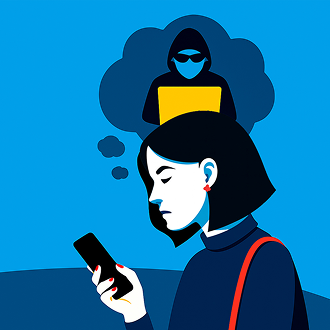
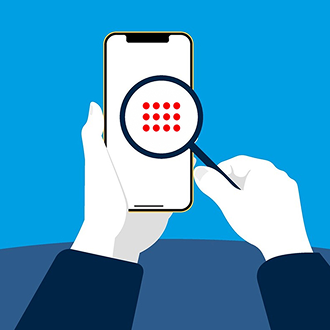
How do they manipulate your perception?

0
Social engineering

They create situations where it’s easy to act without thinking, using fear, urgency, or emotional promises.

1
Immediate action

Fake alerts, “your account has been blocked,”… anything to make you feel you have to act right now.

2
Impulsive reactions

Urgency triggers our automatic response: we act before we think – exactly what they want.

3
Deceptive personalisation

They use your real name, personal details or information scraped from social media so the message feels genuine. The more personalised it looks, the more trustworthy it seems.

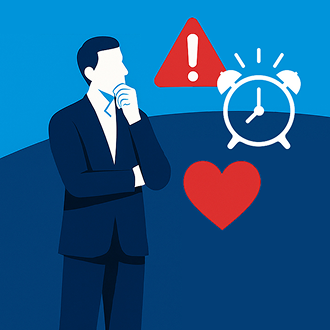
Why can your emotions become fraud’s best ally?

1. Trust

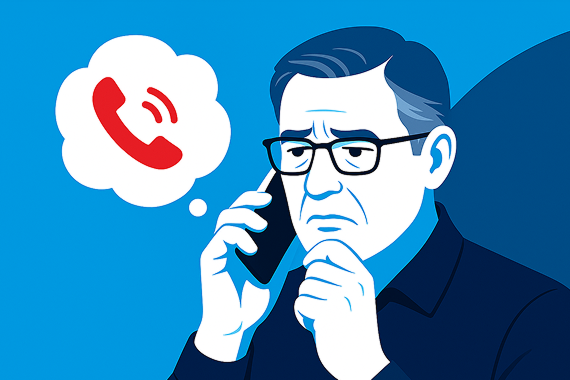
When the message looks legitimate (an SMS or call from a supposed bank employee, for example), your guard goes down.

2. Fear

“Your account will be closed,” “Act now.” Urgent messages designed to stop you from thinking clearly.

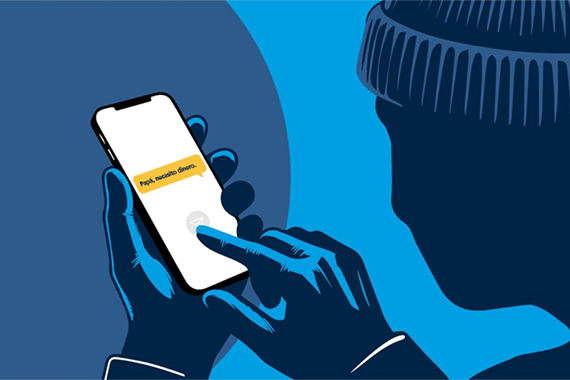
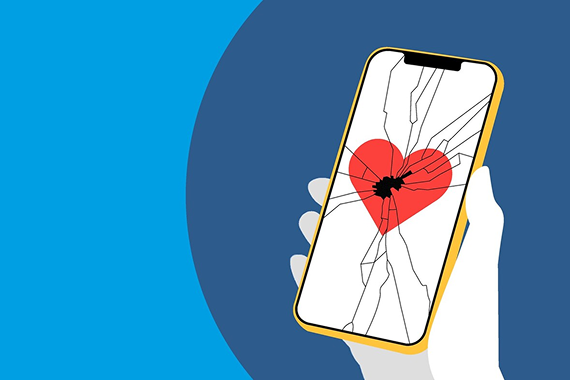
3. Empathy and affection

Fake family emergencies that tug at your heartstrings: “Hi Mum, my phone broke…” or “I urgently need your help.”

4. Curiosity

Irresistible offers, miracle investments, or mysterious messages that make you want to click.

5. Uncertainty

If you’re not familiar with scam tactics, you don’t see the signs. The strange can seem normal and the urgent can feel legitimate.

What can you do to protect yourself?

  • 1. Use critical thinking

    If you receive an alarming or urgent message, pause. Read it carefully and verify before clicking or sharing any information.

  • 2. Find out more

    The more you know about their techniques, the harder it is for them to fool you. Check out practical tips in the Security section of our website.

  • 3. Turn on notifications

    Get instant alerts on your device for any unusual activity.

  • 4. Build safe habits

    Always check the sender, only contact companies through official channels, never share banking passwords or personal data, and examine links carefully.

  • 5. Technology as an ally

    Enable security tools such as antivirus/antimalware, two-factor authentication, and biometric login to protect both your devices and your data.

If you think you may be a victim of a scam, act quickly.


Scams often disguise themselves as urgent situations or threats. Be especially wary of any urgent requests for details or payments.


Keep calm, use your common sense, and if you think you might be a victim of fraud, get in touch with CaixaBank immediately through the official channels: Adviser Space or by calling +34 938 87 25 25.

    • Contact us Got a question? We’re here to help you.
    • Customer support Access to submit an official complaint.
    • Online banking From your computer or your phone.
    • Set an appointment Through the CaixaBank app or website.
  • Products

    • HolaBank Account
    • HolaBank Cards
    • HolaBank Mortgage
    • Interest-bearing Deposit
    • Insurance
  • It may interest you

    • Digital Banking
    • HolaBank Club (Opens in a new window)
    • Sustainable products
  • Corporate information

    • Corporate website (Opens in a new window)
    • CaixaBank Research (Opens in a new window)
    • Awards and acknowledgements (Opens in a new window)
    • Headlines
    • Sustainability (Opens in a new window)
    • Work with us (Opens in a new window)
    • Accessibility
    • CAS
    • CA
    • ENG
    • FRA
    • DEU
    • VAL
    • EUS
    • GAL

© CaixaBank, S.A. 2026

  • Cookies policy
  • Privacy
  • Legal notice
  • Interest rates and information
  • MIFID
  • Legal information about CaixaBank, S.A.
  • Sello de Excelencia EFQM (Abre en ventana nueva)
  • Western Europe
  • Banco más innovador (Abre en ventana nueva)
  • Certificación ISO
  • AQmetrix