
Online security: prevent fraud
Protect your online security
The internet makes many daily tasks easier, but it's also a place where cybercriminals perfect their deceptive strategies. To avoid falling into their traps, it's essential to act with precision, and an analytical and investigative mindset. Here you will find the most frequent scams and the best strategies to detect them in time.

Main digital scams
Preventing cyberfraud is your best defence
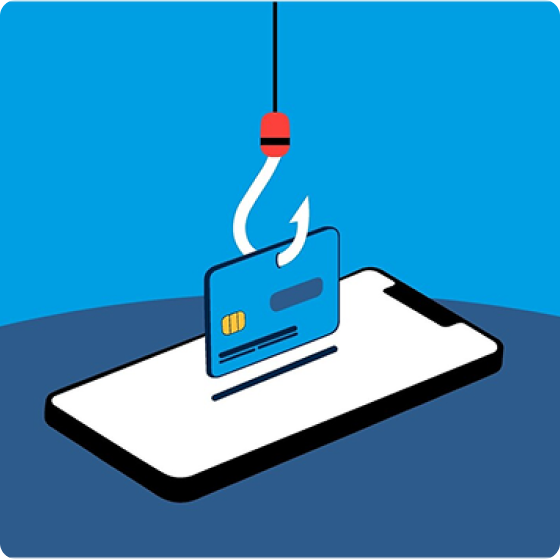
Phishing: the email trap
Cybercriminals send emails that look legitimate where they impersonate banks, companies or official bodies. Their goal is to get you to provide confidential information through a fraudulent link.
- Check the sender's address, as it may contain subtle differences.
- Be wary of emails that demand urgent responses.
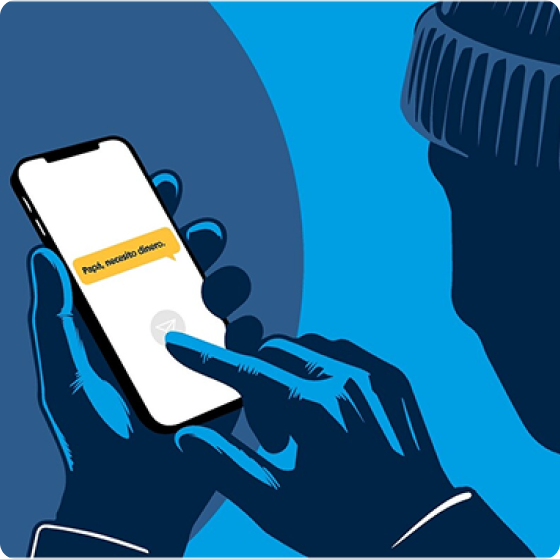
Smishing: the SMS trap
This scam works through text messages or messaging apps. Criminals include fraudulent links or telephone numbers to get personal or bank details.
- Be wary of messages with unfamiliar links or unknown senders.
- Never provide personal details via SMS or chat.
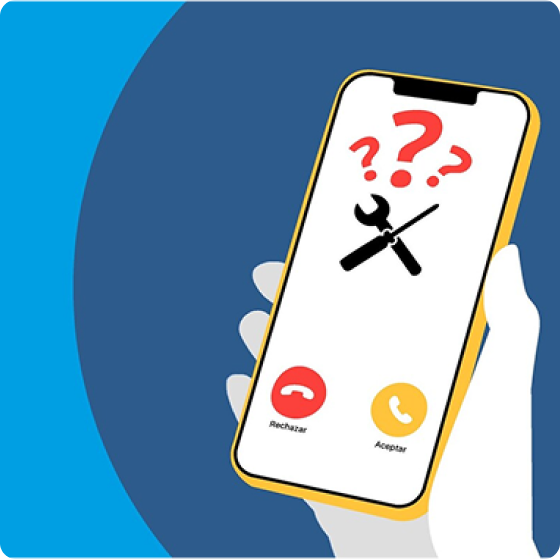
Vishing: the call from the impostor
Scammers use phone calls to impersonate banks or companies in an attempt to obtain confidential information.
- If you are asked for passwords or personal details, hang up and contact the bank directly.
- Always contact it through its official phone numbers.
How to avoid digital fraud
Infallible methods to avoid fraud
Identifying a scam isn't always simple, but there are key signs that can help you spot one. No single sign is conclusive on its own. The key is to combine awareness with critical thinking, and always cross-check information with reliable sources before accepting it as true.
-
Don't reveal your password
CaixaBank will not ask you for this information by email or phone.
-
Don't click on unverified links
Log into CaixaBank by typing in the correct address, or use the official app.
-
Keep your devices up to date
Make sure you have the latest version installed and use antivirus protection.
-

Don't trust offers too good to be true
If something seems suspicious, it probably is.
-
Verify bank account changes
If a supplier tells you their account number has changed, confirm the information before paying.
-
Use secure payment methods
Be wary if you are asked to pay outside an official platform.
Other digital scams
-
Commercial fraud is one of the most common types
Scammers create fake websites with appealing products at very low prices, but the product never arrives after the purchase. The most common cases include fake holiday rentals or fraudulent product purchases or sales.
How can you avoid it? Shop only in trusted stores and read reviews from other users.
-
Fake investments
Fake brokers promise high returns with secure investments. To build trust, they request an initial transfer before disappearing with your money.
How can you avoid it? Don't trust get-rick-quick schemes and always check with regulatory agencies.
-
The easy "like" scam
They promise immediate income for simple tasks, such as liking posts or viewing ads, but at some point in the process they'll ask you for money to access supposed opportunities.
How can you avoid it? Don't trust offers that require payments in advance and promise quick income with no effort.
-
The “Child in trouble” scam
A scammer pretends to be your child, daughter or a relative in trouble and uses various excuses to urgently ask you for money.
How can you avoid it? Before sending money, contact your relative using another means and confirm the situation.
-
The fake invoice scam
The cybercriminals impersonate vendors. They send fake invoices and ask that payments be made to a new bank account they control.
How can you avoid it? Before making a payment, always verify account changes with the vendor.

Do you think you may have been a victim of a scam?
Scams are often disguised as emergencies or threats. Be especially wary of any urgent requests for details or payments.
- Stay calm and use common sense.
- And if you think you might be a victim of fraud, get in touch with CaixaBank immediately through the official channels:
- Adviser Space
- By calling 938 87 25 25.