

How WhatsApp accounts are stolen
WhatsApp account theft
How does WhatsApp account theft work? Cybercriminals have perfected a silent but highly effective technique: taking control of real accounts to use them as a vehicle for fraud. The process is simple, but devastating.
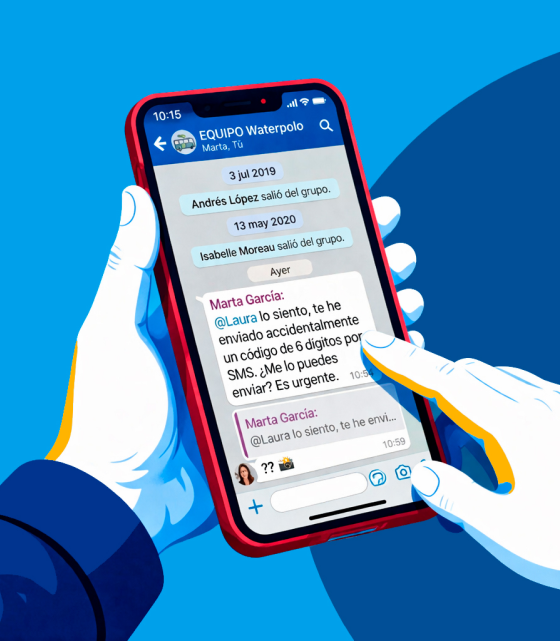
How it works
How WhatsApp account theft works
Cybercriminals have perfected a silent but highly effective technique: taking control of real accounts to use them as a vehicle for fraud. The process is simple, but devastating. This is how they get your account.
-

Trusted message
You receive a message from a known contact. The tone is friendly, natural, and free of anything suspicious, with no red flags.
-
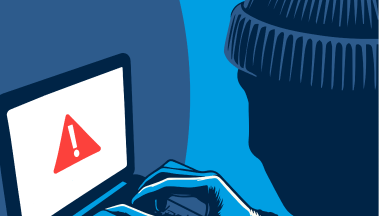
They create a sense of urgency
They ask for your help quickly. It can be something simple, even routine. This is where the pressure starts: act without thinking.
-
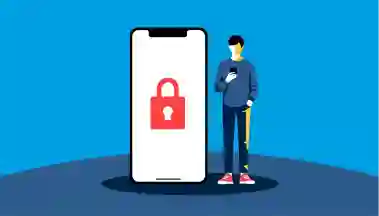
They ask for a real code
They request a code you receive by SMS or call. This code is your WhatsApp verification code.
-
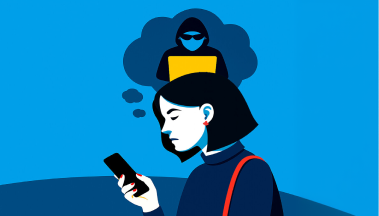
You give access to your account
If you share that code, the attackers enter it on their device and take full control of your account, your contacts, and your conversations. From there, the fraud spreads like a chain.
Why it's effective
Why WhatsApp account theft is so effective
This type of attack doesn’t require links or malicious files. It relies on something much more powerful: trust.
-
Trust in the sender
The message comes from familiar or previously compromised accounts, with no suspicious links.
-

Messages that create a sense of urgency
The tone is urgent or emotional: “Quick, help me”, “it's important”.
-
Requests that seem real
They may request money, Bizum or more codes from your contacts, pretending to be you.

Warning signals you shouldn't ignore
Even if the message seems legitimate, there are small details that can give the fraud away.
- They ask for a verification code, as if it’s normal or unimportant.
- You notice your contact writes strangely or differently than usual.
- They request money, a Bizum, or an urgent favour that doesn’t seem right.
- You receive messages with no context or that you weren't expecting.
How to protect yourself
How to protect your WhatsApp account before it's too late
If you apply these measures, you'll minimise the chances of having your account taken over.
-
Do not share verification codes
Neither your WhatsApp verification code nor your PIN, even if someone you trust asks for it.
-
Add an extra layer of security
Activate two-step verification and add a recovery email.
-
Use a secure PIN
Protect your mobile with a PIN, password or biometrics.
-
In urgent situations, be suspicious
Be wary of urgent or unusual messages, or messages that ask you for codes.
-
Verify the contact's identity
Verify any suspicious request through another channel, such as a phone call or email.
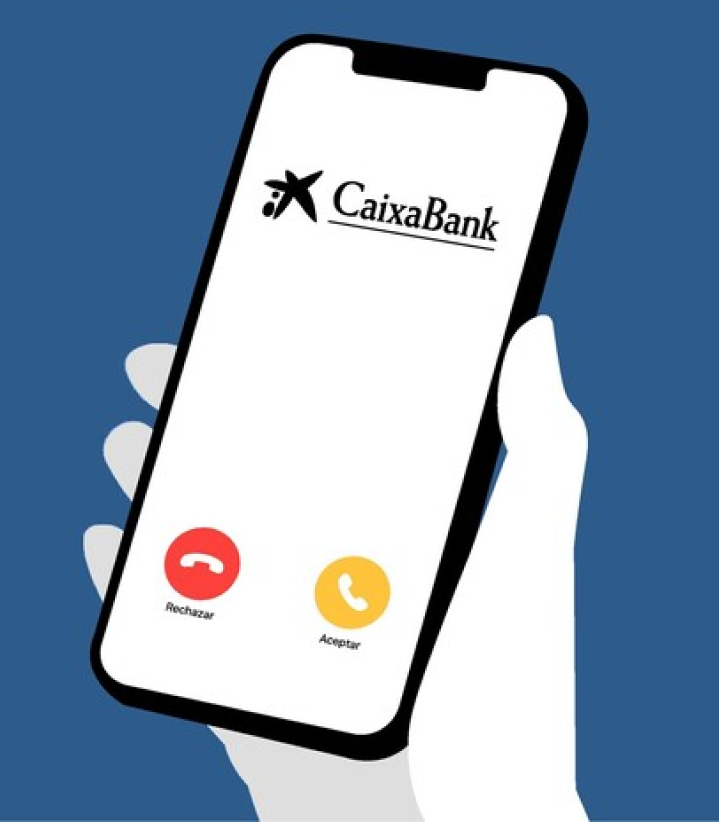
Do you think you may have been a victim of a scam?
Scams are often disguised as emergencies or threats. Be especially wary of any urgent requests for details or payments.
- Stay calm and use common sense.
- And if you think you might be a victim of fraud, get in touch with CaixaBank immediately through the official channels:
- · Adviser space.
- · By calling 938 87 25 25.