Before continuing, let us explain what we use cookies for. This CaixaBank website collects data on your browsing using its own and third-party cookies, which we analyse to:

  • Improve our website, products and services.
  • Customise the content (e.g., with video recommendations for you).
  • Customise the advertising you see for our products or services.

The content and advertising are personalised using a profile of you created from your browsing data (for example, what sections of our site you visit). You can find out more about how we use cookies in our Cookie Policy.

Set up cookies
Reject
Accept
  • Personal Banking
  • Business Banking
  • EN
    Spanish language. Press to change

    Spanish language. Press to change

    Close
    • Spanish
    • Català
    • Euskera
    • Galego
    • Valencià
    • Deutsch
    • English
    • Français
Open account

CaixaBank (Go to home)

Access Open account

CaixaBank (Go to home)

Open your account Access
 
  • ...Searching!

    Soon we will show results

  • Follow your search

    More results

  • Security
  • Fake bank employee scam

How to prevent the fake bank employee scam

Not all scams are the same: spot their tactics and take action in good time.

Pause / Resume

How to prevent the fake bank employee scam

Not all scams are the same: spot their tactics and take action in good time.

The new fake bank employee ploy

Scams involving people posing as bank staff all follow a distinct pattern: the cybercriminal gets in touch with you as if they were from the bank and persuades you to do something on your mobile. The aim is always the same: getting access to your money or personal details.

How does the cybercriminal contact you?

They may use a variety of methods:


  • A text or WhatsApp message warning about a purported problem with your account or card.
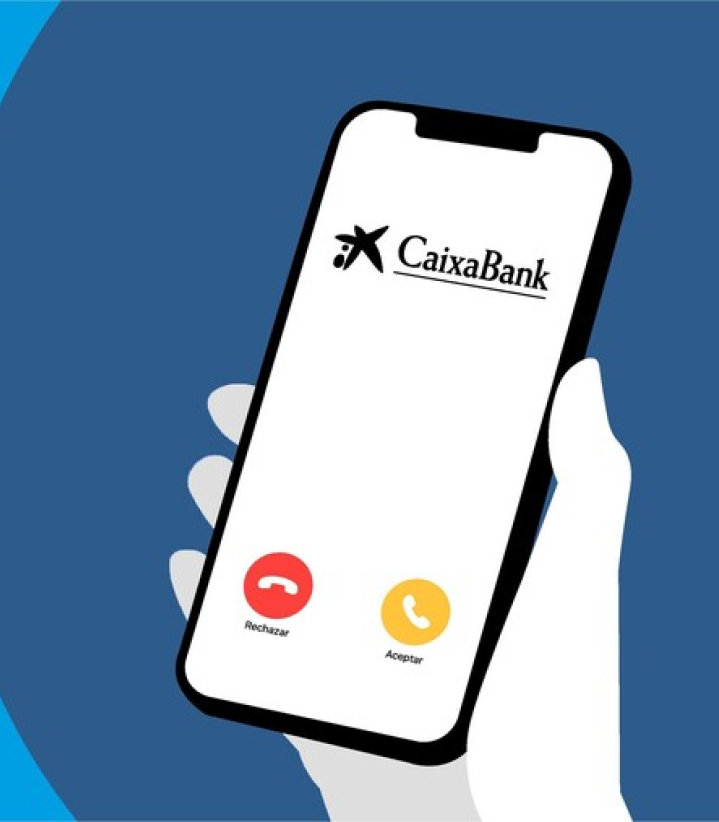
  • A phone or video call from someone claiming to work at the bank.
  •  A phone number they tell you to call to “sort out the issue”.


These messages often create a sense of urgency or concern, prompting you to act quickly without checking the information.

Step-by-step guide to the bank employee scam

This scam normally follows a similar pattern: gaining your trust to get you to do specific things on your device.

0
Urgent message or call

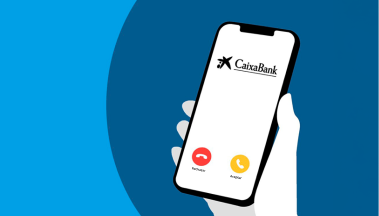
You get a text, WhatsApp message or phone call warning you about a suspicious transaction or a problem with your account.

1
Official-looking contact (vishing)

They ask you to call a number and continue the conversation while pretending to be from the bank to make themselves seem more credible.

2
Installing a fraudulent app

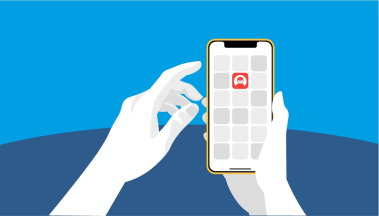
They may send you a link to install an alleged security app from somewhere that isn't the App Store or Google Play. In other cases, they may ask you directly to make a transfer citing some urgent reason.

3
Holding your card up to your mobile

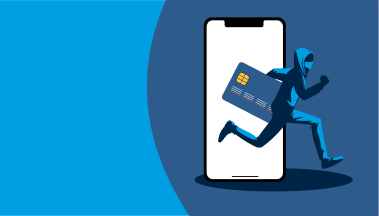
If you have installed an app, they may use a technical excuse to ask you to hold your card up to your device to capture information.

4
Sharing codes, passwords or PINs

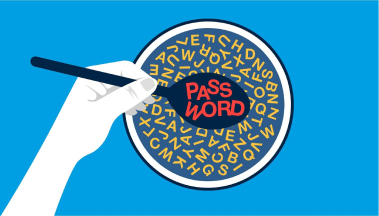
The final step usually involves asking for passwords, verification codes or your card PIN to complete the transaction.
How to spot a scam

Be particularly wary in any of the following situations:

  • You get urgent messages warning of problems with your account.
  • You are prompted to install apps from external links.
  • You are asked for passwords, verification codes or your card PIN.
  • You are told to call a number which does not match the official channels.
  • You are asked to hold your card up to your phone under a technical pretext.
  • You are urged to make a transfer or send money urgently.
  • They try to get you to act hastily or without checking the information.

Things we at the bank will never ask you to do:

  • Install apps from sources other than official stores.
  • Share your login details or passwords.
  • Give out your card PIN.
  • Take urgent action without giving you time to check the information.

What to do if you get one of these messages

If you get a suspicious call or message, keep calm and follow these recommendations:


  • Don't press suspicious or unknown links.
  • Don't install apps from external links.
  • Don't call numbers included in the message.
  • Always get in touch with the bank through its official channels.

If you think you may be a victim of a scam, act quickly.


Scams often disguise themselves as urgent situations or threats. Be especially wary of any urgent requests for details or payments.


Keep calm, use your common sense, and if you think you might be a victim of fraud, get in touch with CaixaBank immediately through the official channels: Adviser Space or by calling +34 93 887 25 25.

    • Contact us Got a question? We’re here to help you.
    • Customer support Access to submit an official complaint.
    • Online banking From your computer or your phone.
    • Set an appointment Through the CaixaBank app or website.
  • Products

    • HolaBank Account
    • HolaBank Cards
    • HolaBank Mortgage
    • Interest-bearing Deposit
    • Insurance
  • It may interest you

    • Digital Banking
    • HolaBank Club (Opens in a new window)
    • Sustainable products
  • Corporate information

    • Corporate website (Opens in a new window)
    • CaixaBank Research (Opens in a new window)
    • Awards and acknowledgements (Opens in a new window)
    • Headlines
    • Sustainability (Opens in a new window)
    • Work with us (Opens in a new window)
    • Accessibility
    • CAS
    • CA
    • ENG
    • FRA
    • DEU
    • VAL
    • EUS
    • GAL

© CaixaBank, S.A. 2026

  • Cookies policy
  • Privacy
  • Legal notice
  • Interest rates and information
  • MIFID
  • Legal information about CaixaBank, S.A.
  • Sello de Excelencia EFQM (Abre en ventana nueva)
  • Western Europe
  • Banco más innovador (Abre en ventana nueva)
  • Certificación ISO
  • AQmetrix